



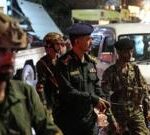







Fresh outrage has erupted following deadly Easter attacks across northern Nigeria, where at least 26 people were killed, as retired Air Commodore Abayomi Balogun delivers a scathing verdict on the nation’s security system—calling it dangerously reactive and fundamentally broken.
Gunmen struck communities in Benue, Kaduna, and Nasarawa states during the holiday, targeting worshippers and residents. In Benue alone, 17 people were reportedly killed in Mbalom community, Gwar West, with more deaths recorded in neighbouring states.
Speaking on Arise Prime Time, Balogun did not mince words:
“Sadly, that’s what the storyline says, because it’s killing everywhere. The military is succeeding in some places, but what you want is total security for all citizens.”
He warned that Nigeria is “increasingly turning into a killing field,” blaming a pattern where security forces respond only after attacks have already happened.
“For a while, we have been reactive. We allow them to plan, we allow them to group until they attack us, then we respond. We must become more proactive.”
Balogun stressed that operations must shift to intelligence-led strategies capable of stopping attacks before they occur. He also highlighted glaring gaps in rapid-response capabilities:
“You hear that they attacked a place and disappeared into thin air. That should not happen. If we have air mobile quick response teams on standby… response would be immediate.”
The retired fighter pilot proposed sweeping reforms, including a centralized Multi-Agency Coordination and Control Centre to unify intelligence and response efforts.
“When something happens, it should go straight to a central command where intelligence is analysed and passed instantly… With drones and real-time data, you can monitor and neutralise threats quickly.”
He also pushed for grassroots intelligence, urging citizens to become an organized first line of defense:
“The people at the grassroots must become your first line of defense without guns… there must be a clear structure on who they report to.”
Balogun called for better use of retired military personnel—whom he described as “retired assets”—and suggested technology-driven tracking methods to combat kidnappings.
“Once kidnappers request items like bikes, those bikes can become their death certificate… they can be tracked to locate them.”
He further criticized the overstretching of senior military officers, arguing that administrative burdens are undermining strategic planning, and called for dedicated think tanks to develop new security solutions.
Despite acknowledging root causes like unemployment and governance failures, Balogun insisted the moment demands bold, decisive action:
“We know the root causes, but where we are now, we must take bold steps. We must be audacious… There are few bad people, we must become a terror to them so that the good people can live in peace.”
The Easter bloodshed has once again exposed Nigeria’s deepening security crisis—fueling urgent calls for reforms before more lives are lost.
